
Do You Know Something We're Missing?
This page will always be a work in progress. If you know a story, have an old photo, a link to a Facebook post, or a website that belongs here, we'd love to include it — with your name attached, if you'd like.
Add to This PageWikipedia's overview of Goa tourism notes that "the landscape of Goa is dotted with several forts," and lists more than twenty of them. Many started out defending river mouths and headlands against the Portuguese, before being captured and rebuilt by them into a chain of coastal and riverine defences guarding the approaches to the Mandovi and Zuari rivers. Others were raised later still by regional rivals such as the Bhonsles of Sawantwadi. Most are ruins today, or partial ruins repurposed as viewpoints, though a few have been restored.
Fort Aguada
Built in 1612 on Sinquerim Beach at the mouth of the Mandovi, Fort Aguada was raised specifically to guard against Dutch attack and to serve as a landmark for ships arriving from Europe. A freshwater spring inside its walls gave the fort its name — aguada is Portuguese for "watering place" — and passing ships would stop to refill their stores there. It's a protected Monument of National Importance and, together with its lighthouse, one of the most-visited forts in Goa today.
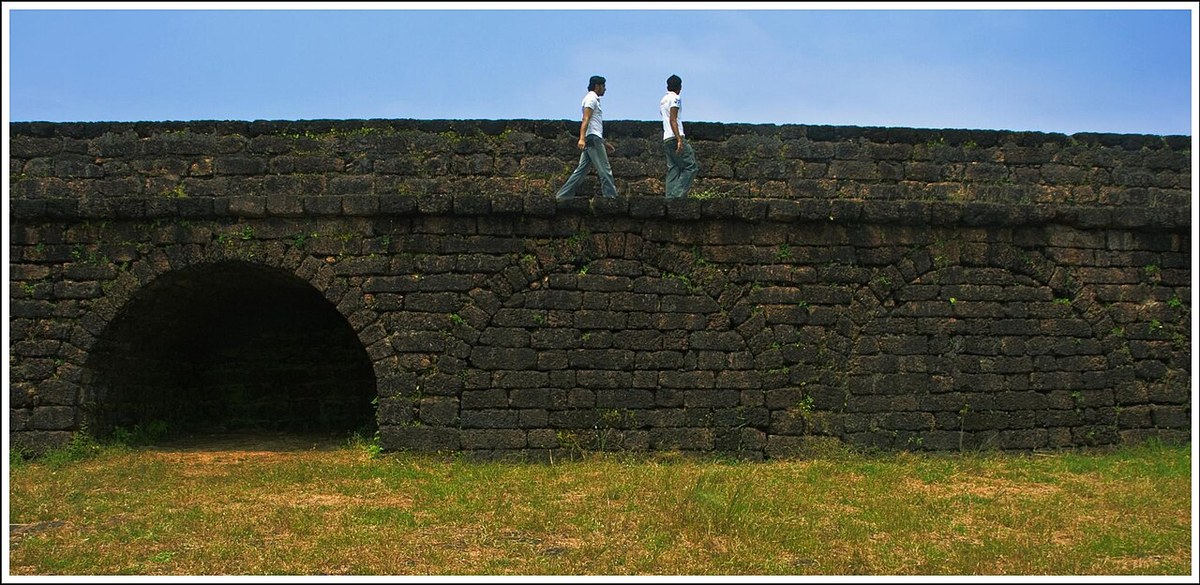
Chapora Fort
Chapora Fort stands on a headland above the Chapora River in Bardez, with sweeping views north across the water to Morjim. The site was first fortified under the Adil Shahi sultanate, whose settlement here was known as Shahpura before the name shifted to Chapora. After the Portuguese took Bardez, the fort changed hands repeatedly, including a spell as a Maratha base camp in 1683 during fighting aimed at ending Portuguese rule, and it went on to serve as the northern outpost of the Old Conquests territories.
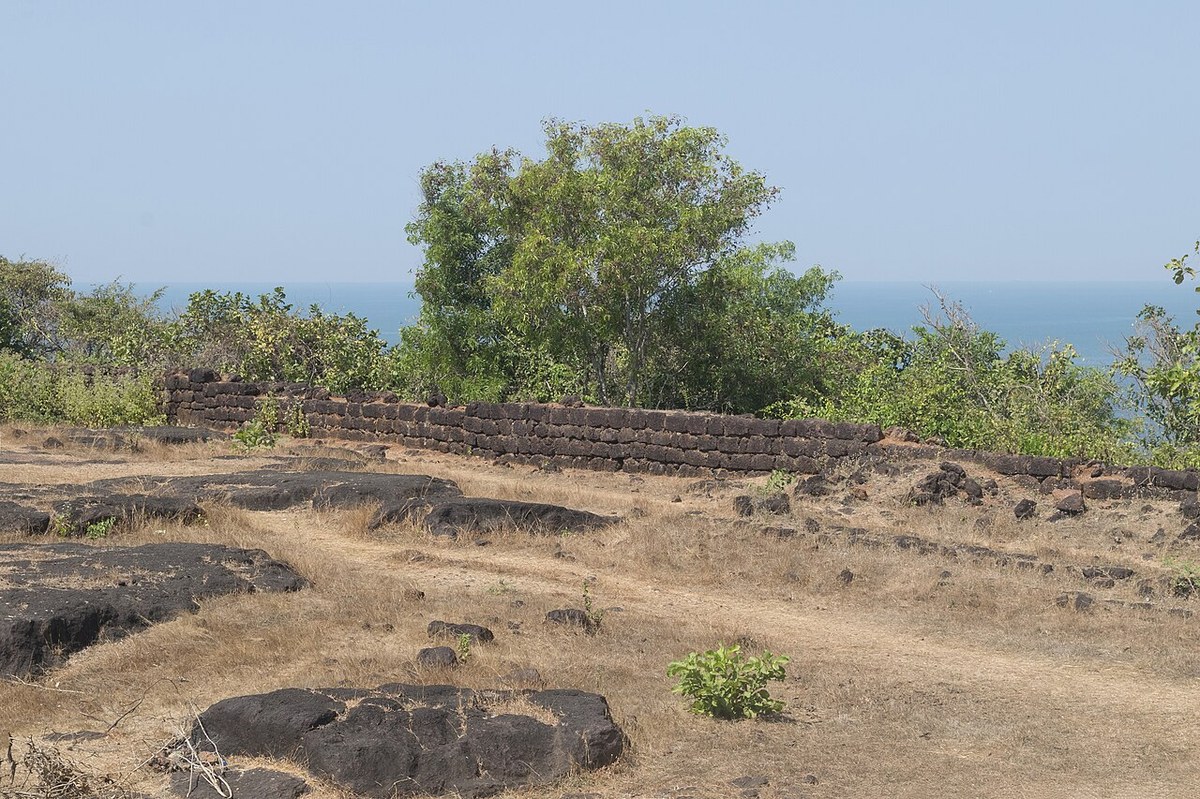
Reis Magos Fort
Predating Fort Aguada by roughly sixty years, Reis Magos Fort was built in 1551 on a headland at the narrowest point of the Mandovi estuary, directly across the water from Panaji, to defend that crossing. Ringed by laterite walls and Portuguese-style turrets, it was enlarged more than once and rebuilt again in 1707. It takes its name from the neighbouring village of Reis Magos ("Three Wise Men"), also home to Bardez's first church.
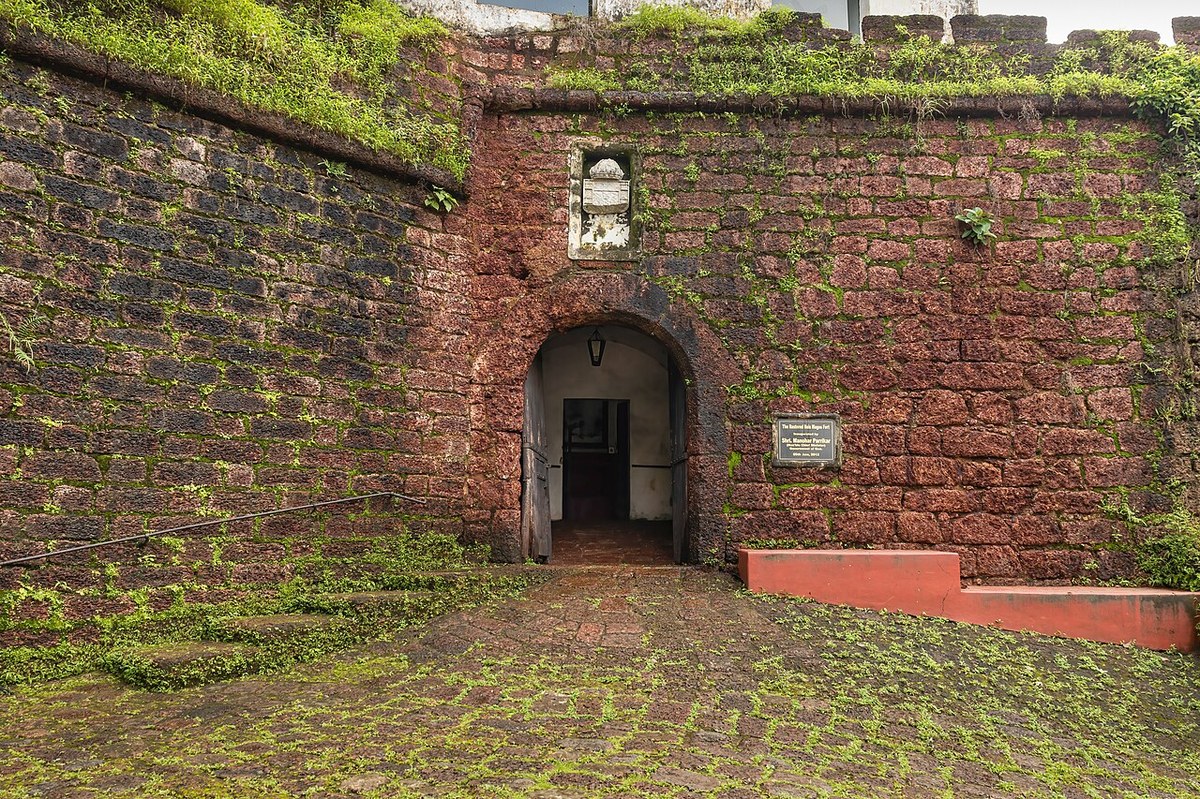
Cabo de Rama Fort
Perched on cliffs above Canacona in South Goa, Cabo de Rama is a medieval hillfort that changed hands repeatedly between Hindu and Muslim rulers before the Portuguese took control in the 1760s, when the Raja of Soonda ceded the territory in exchange for protection against Hyder Ali of Mysore. The Portuguese rebuilt it with ramparts, a moat, a chapel and cannon emplacements, and after their main regional rival was defeated in 1799, the fort's role gradually shifted from defence to use as a prison.
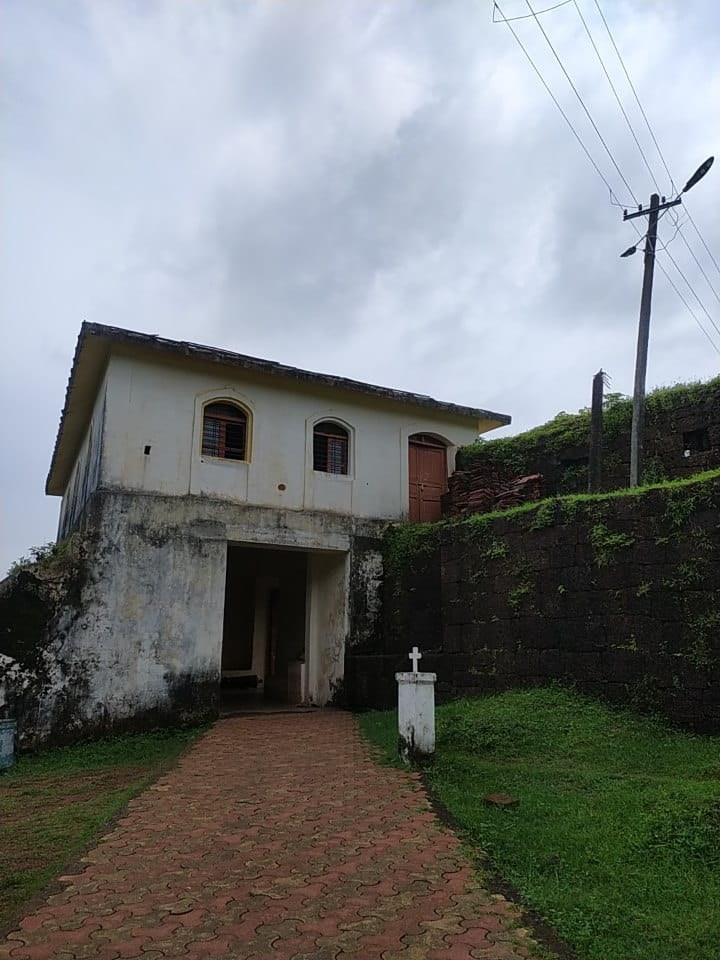
Fort Tiracol
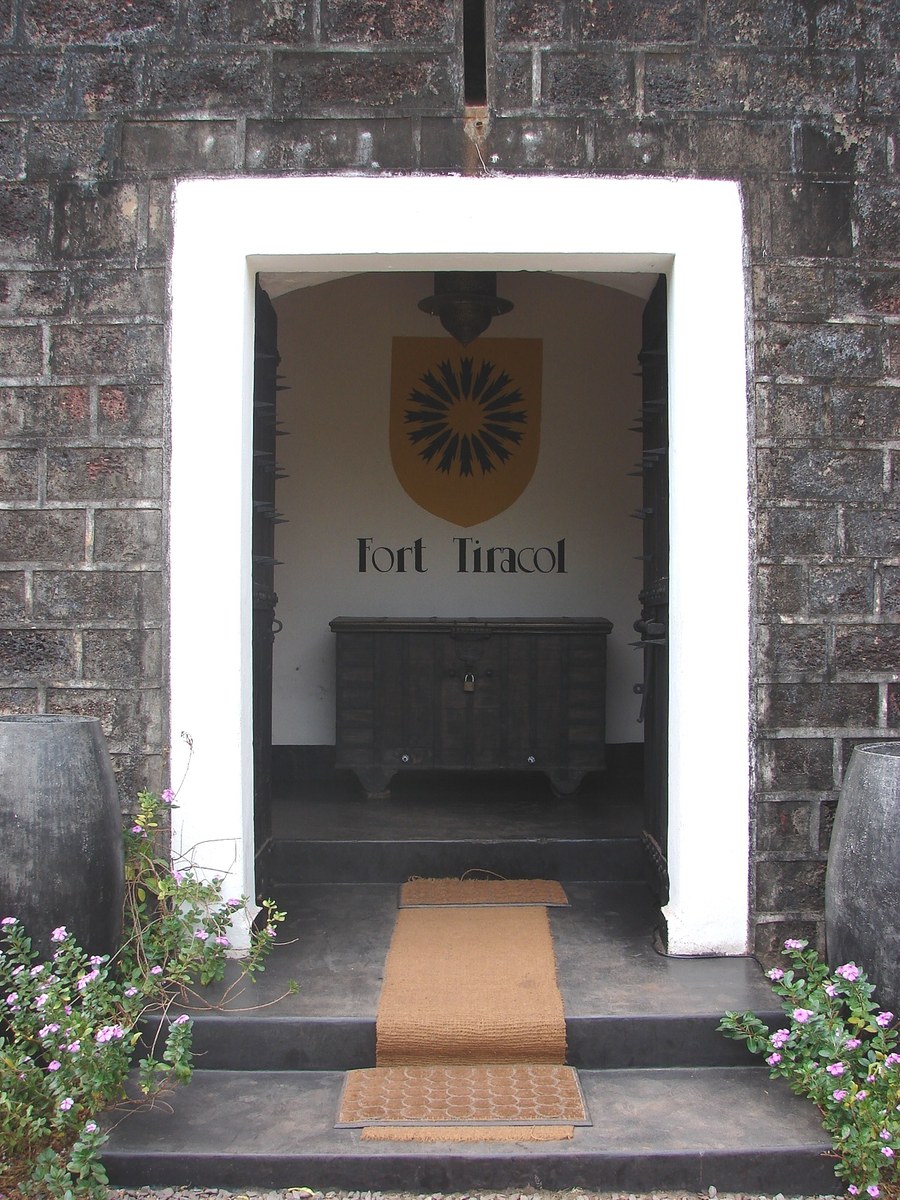
Also called Fort Santíssima Trindade, Fort Tiracol guards the mouth of the Tiracol River at Goa's northernmost tip, reachable today by a short ferry crossing from Querim. It's believed to have been built by Khem Sawant Bhonsle, the Raja of Sawantwadi, in the 17th century, on a hillock chosen for its commanding view over the Arabian Sea — useful to the Bhonsles, who kept a sizeable fleet sheltering in the river below. It later passed to the Portuguese and today houses a heritage hotel and a small chapel within its walls.
More Forts of Goa
Rachol Fort — originally built by the Bijapur Sultanate to defend the Zuari's left bank, handed to the Portuguese in 1520 by the Vijayanagara emperor Krishnadevaraya in exchange for protection against the Mughals, then rebuilt with two new bastions in 1604.
Corjuem Fort — also known as Fort Assunção, a small fortress on its own river island near Aldona, built to defend Portuguese India and now a protected monument valued more for its river views than its size.
Alorna Fort — one of Goa's oldest forts, built by the Bhonsles of Sawantwadi in the 17th century to defend against Maratha attacks; as of the most recent Wikipedia update it remains in poor condition, with restoration only under consideration.
Ponda Fort — originally an Adil Shahi fortification at Farmagudi, raided unsuccessfully by Shivaji in 1665; the structure visitors see today is a modern reconstruction, now set within a park.
Fort Anjediva — built on Anjadip Island, administratively part of Goa despite sitting off the Karnataka coast; once under Portuguese rule and now in ruins, close to the historic Church of Our Lady of Springs.
Fort of São Tiago of Banastarim — on the eastern tip of Old Goa, captured from local rulers by Viceroy Afonso de Albuquerque in 1512 and briefly seized back the same year by forces loyal to the Sultan of Bijapur.
Gandaulim Fort — a 16th-century fortification built to defend the old settlement of São Braz; little survives today beyond a few walls, after its entrance gate was demolished during a road-widening project.
Wikipedia's list of Goa's forts also names several further sites with little detail documented yet, including Betul Fort, Chandor Fort, St Estevam Fort, Mormugão Fort and Fortaleza de São Sebastião.
Text summarised from the Wikipedia articles Tourism in Goa, Fort Aguada, Chapora Fort, Reis Magos, Cabo de Rama Fort, Fort Tiracol and related fort articles linked above, available under the CC BY-SA 4.0 licence.
Visiting
Fort Aguada and Chapora Fort are the easiest to reach and the most visited, both a short drive from the North Goa beach belt, and Chapora in particular is popular at sunset for its views over the coast. Reis Magos, Corjuem and Rachol lie further inland along the Mandovi and Zuari rivers, while Cabo de Rama and Fort Tiracol sit at Goa's southern and northern extremes respectively and work best as a stop on a longer coastal drive rather than a dedicated trip. Most forts are open-air ruins with no set closing time, but come with uneven ground underfoot and little shade, so early morning or late afternoon visits are most comfortable.
Do You Know Something We're Missing?
This page will always be a work in progress. If you know a story, have an old photo, a link to a Facebook post, or a website that belongs here, we'd love to include it — with your name attached, if you'd like.
Add to This Page