
Do You Know Something We're Missing?
This page will always be a work in progress. If you know a story, have an old photo, a link to a Facebook post, or a website that belongs here, we'd love to include it — with your name attached, if you'd like.
Add to This PageGoa's beaches run almost the whole length of the state's coastline and are usually grouped into North Goa and South Goa, then further by taluka (the local administrative divisions). North Goa's beaches, closer to Panaji, tend to be the livelier, more built-up stretches; South Goa's are generally longer, quieter and less developed, though there's plenty of overlap and every beach has its own character.
North Goa Beaches
Pernem
Arambol Beach — the beach of a traditional fishing village around 25km north of Panaji, bordered by Keri Beach to the north and Mandrem Beach to the south. It draws international tourists mainly in the winter season, November to March.
Morjim Beach — sits on the northern bank of the Chapora River estuary and is an important nesting site for Olive Ridley sea turtles. A sizeable Russian resident community has earned it the nickname "Little Russia".
Mandrem Beach — a coastal village and tourist spot around 21km from Panaji.
Querim (Keri) Beach — at the mouth of the Tiracol River, this is the northwesternmost point in Goa, known alongside its beach for the historic Church of St. Francis Xavier and a nearby Portuguese-era fortress.
Also in Pernem taluka: Kalacha Beach and Ashvem Beach.
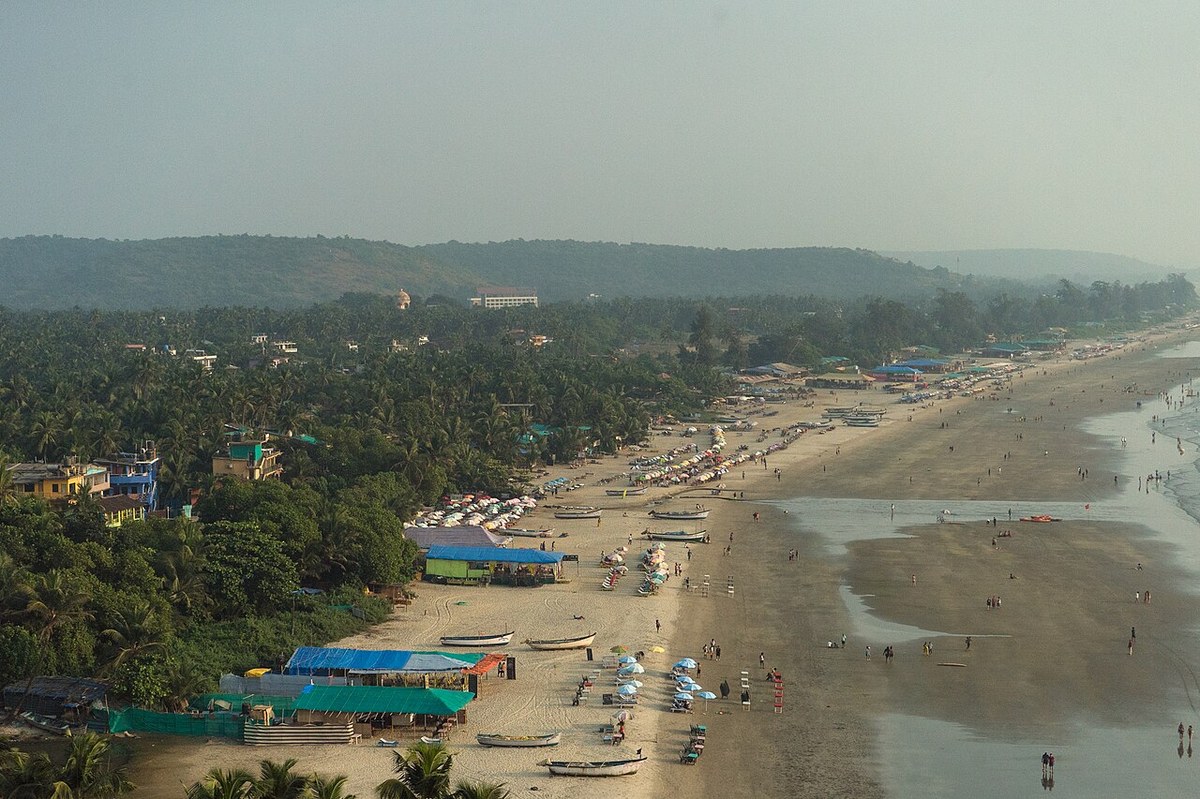
Bardez
Baga Beach — the beach of a seaside town just north of Calangute, under whose jurisdiction it falls. Baga and its creek draw thousands of tourists a year and the area is well known for its density of beach shacks and nightlife.
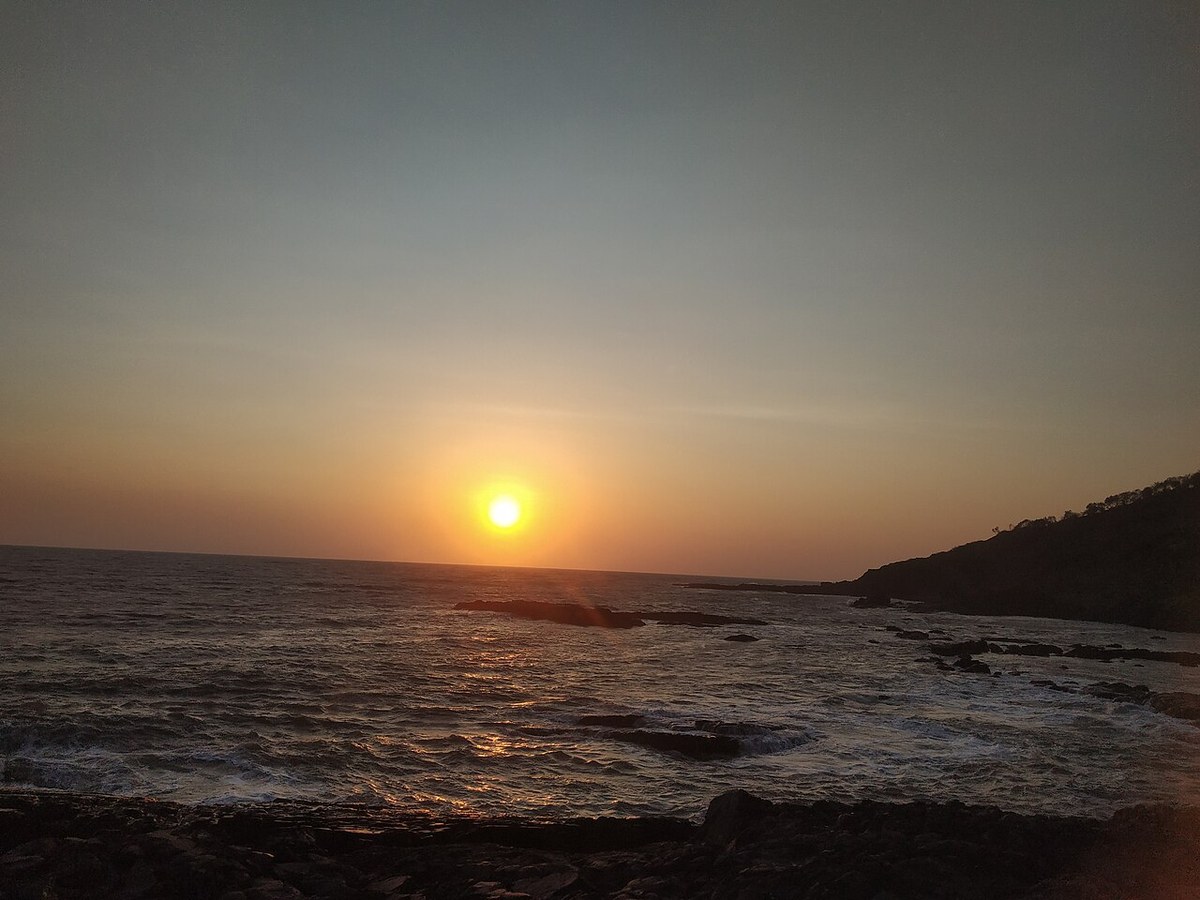
Calangute Beach — the largest beach in North Goa and one of its most popular, with peak crowds around Christmas, New Year and again in the summer heat of May.
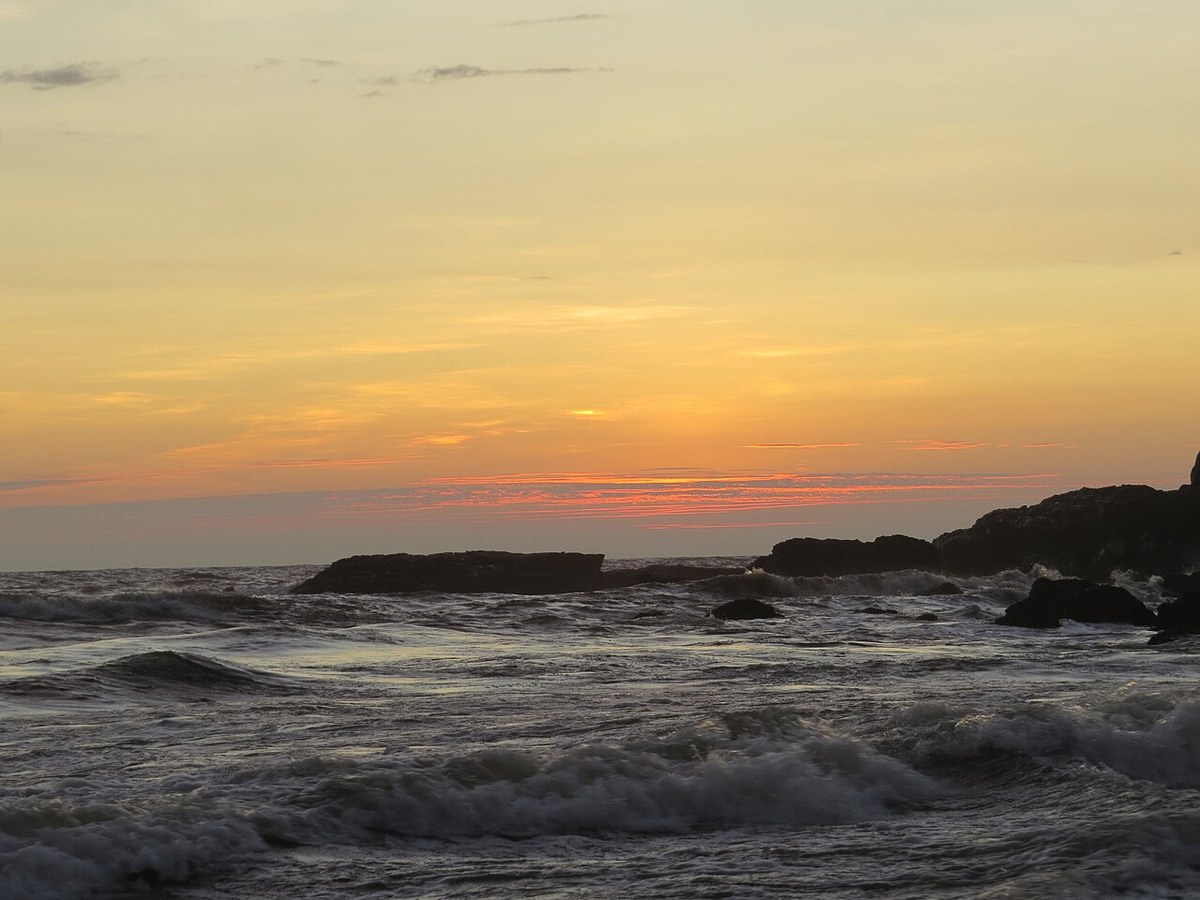
Vagator Beach — sits across the Chapora River from Morjim, below the clifftop ruins of Chapora Fort.
Anjuna Beach — a census town on the North Goa coast and one of the twelve historic comunidades of Bardez. Its parish church, St. Michael's, dates to 1595.
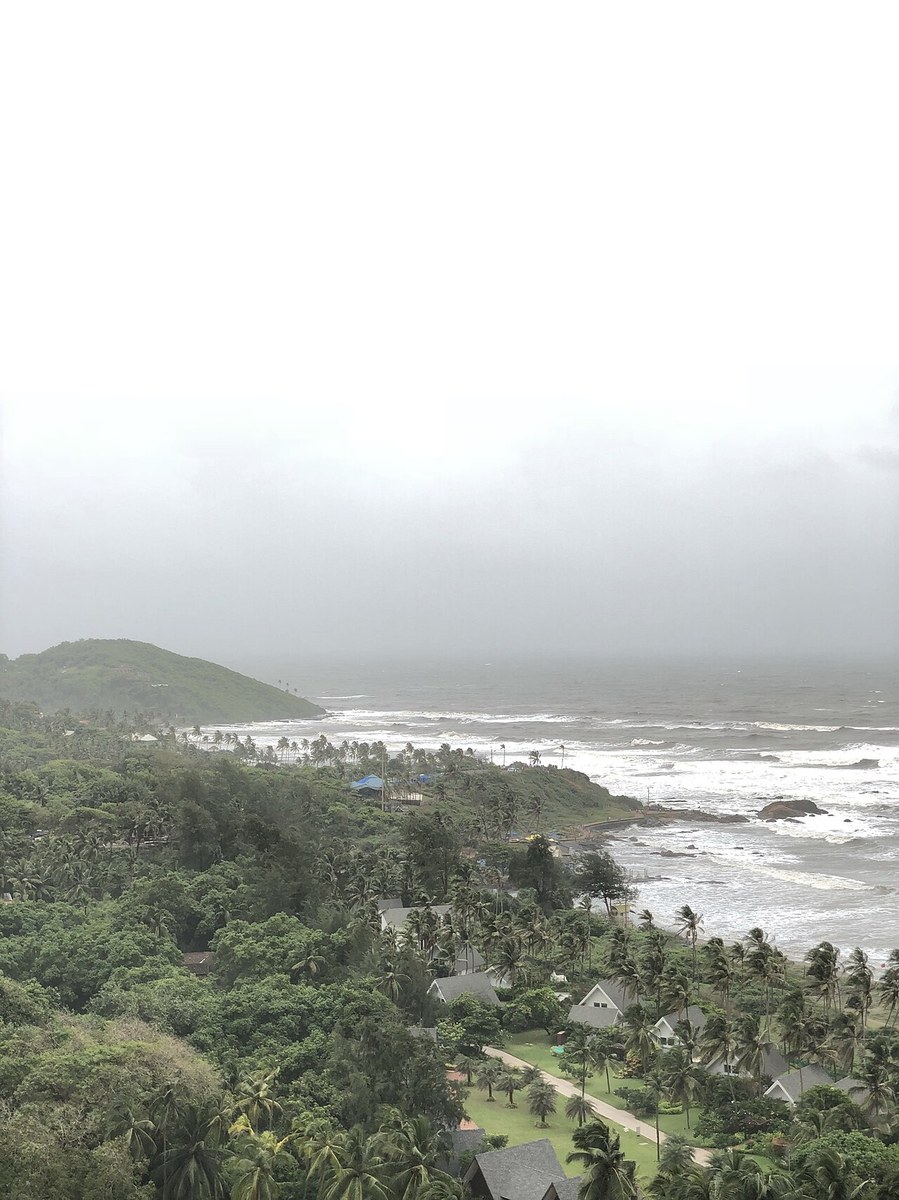
Candolim Beach — just south of Calangute and north of Sinquerim, whose stretch of sand runs beneath the walls of Fort Aguada.
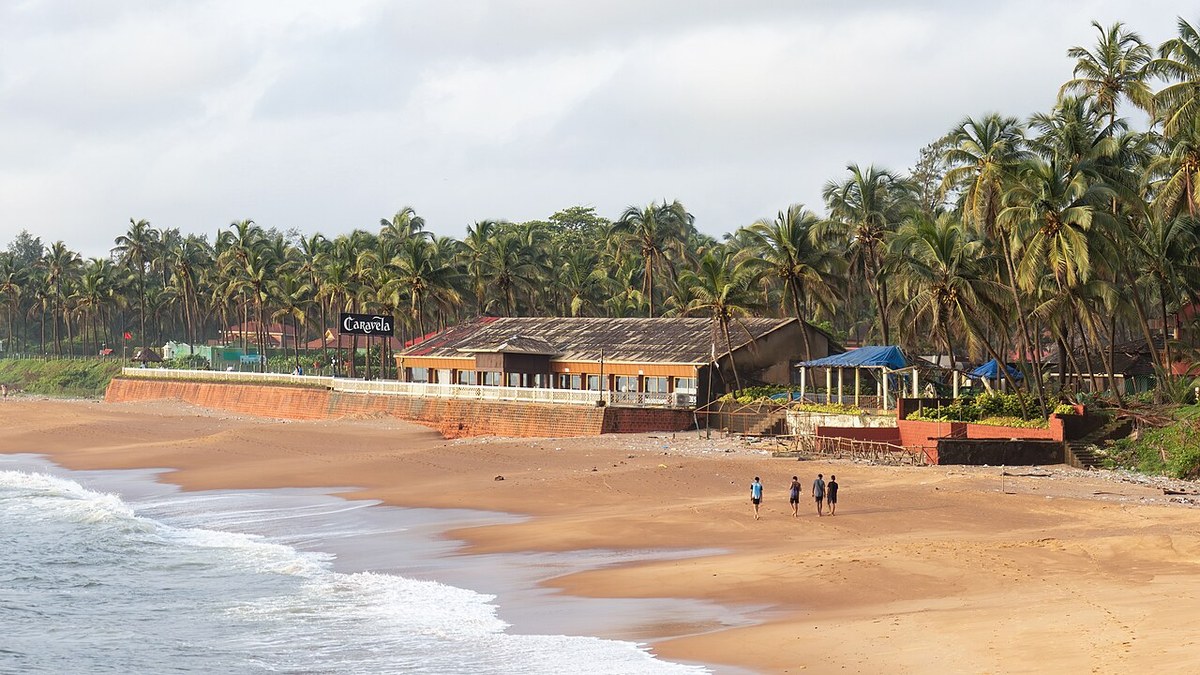
Also in Bardez taluka: Chapora Beach, Ozran Beach, Coco Beach and Kegdole Beach.
Tiswadi
Miramar Beach — the beach area of the capital, Panaji, sitting at the confluence of the Mandovi River and the Arabian Sea. It's one of only two beaches in Panjim itself (the other being Caranzalem) and hosted the beach volleyball events of the 2014 Lusofonia Games.
Dona Paula Beach — a neighbourhood and tourist spot in Panaji, home today to the National Institute of Oceanography and the International Centre Goa.
Also in Tiswadi taluka: Caranzalem Beach, Vaiguinim Beach, Bambolim Beach and Siridao Beach.
South Goa Beaches
Mormugao
Bogmalo Beach — a small beach-side village wrapped around a bay with roughly a mile of curving sand, about 4km from Dabolim Airport. The Indian Navy's Naval Aviation Museum sits nearby.
Also in Mormugao taluka: Baina Beach, Hansa Beach, Hollant Beach, Cansaulim Beach and Velsao Beach.
Salcete
Majorda Beach — a Salcete village, north-west of Margao, known simply for its beaches; the sandy stretch here runs on south through Betalbatim, Colva and Benaulim to Cavelossim.
Colva Beach — roughly 2.5km of the ~25km sandy stretch running from Bogmalo in the north to Cabo de Rama in the south. In Portuguese times it was a retreat for Goa's elite, who came for their mudança, or "change of air".
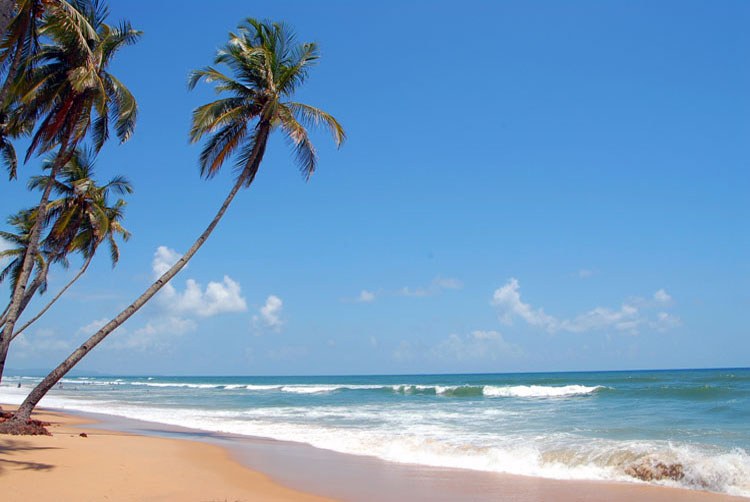
Benaulim Beach — neighbouring Colva to the north and Varca to the south, Benaulim is the birthplace of the missionary St. Joseph Vaz and has long been known as Goa's "village of carpenters".
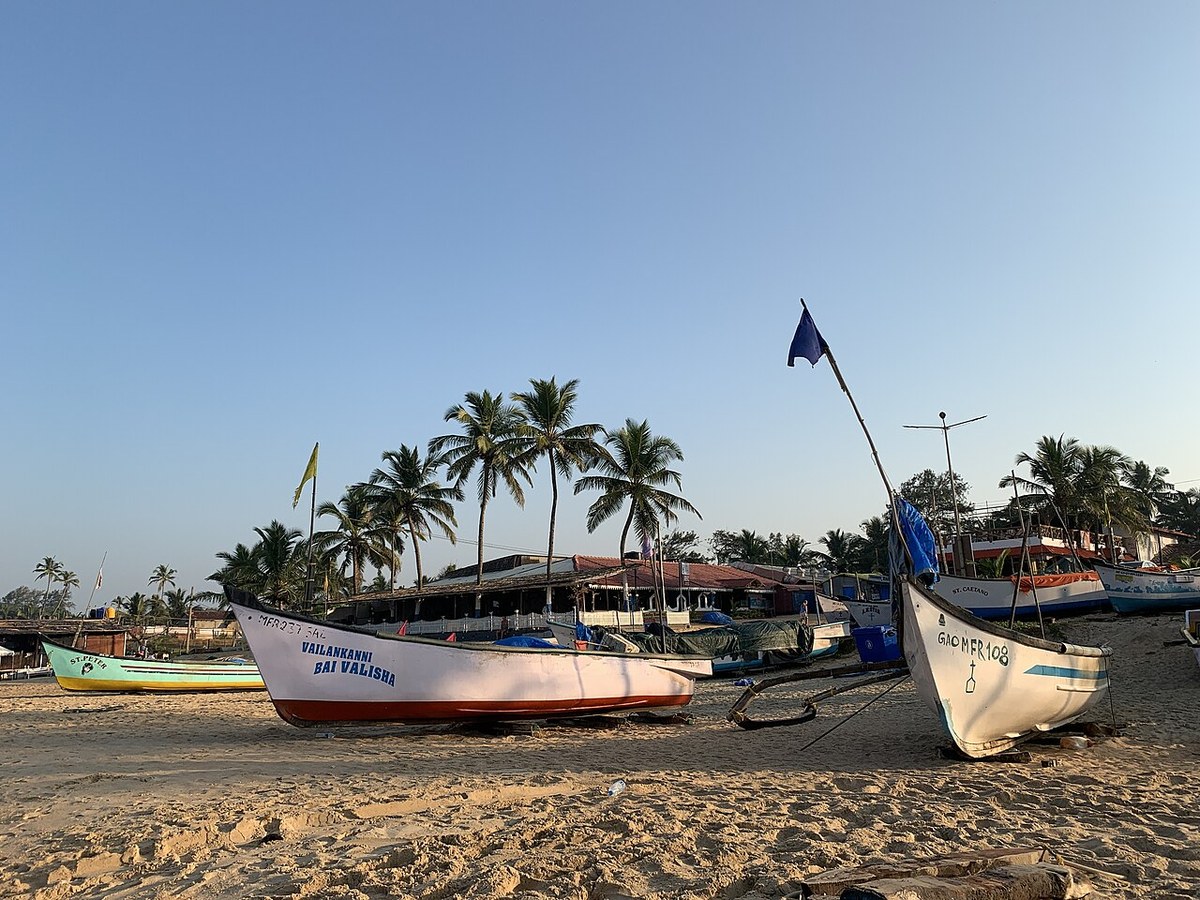
Cavelossim Beach — marks the southern end of the Salcete beach stretch that begins at Majorda; the Sal River meets the Arabian Sea just south of the village.
Also in Salcete taluka: Arossim Beach, Utorda Beach, Betalbatim Beach, Sernabatim Beach, Varca Beach, Mobor Beach and Betul Beach (the last known also for its lighthouse and fort, near where the Sal River reaches the sea).
Quepem
Canaiguinim Beach — Quepem taluka's coastal entry on the beach list.
Canacona
Agonda Beach — a large village known for its beach, one of only four in Goa designated as a turtle nesting site under the 2011 Coastal Regulation Zone notification.
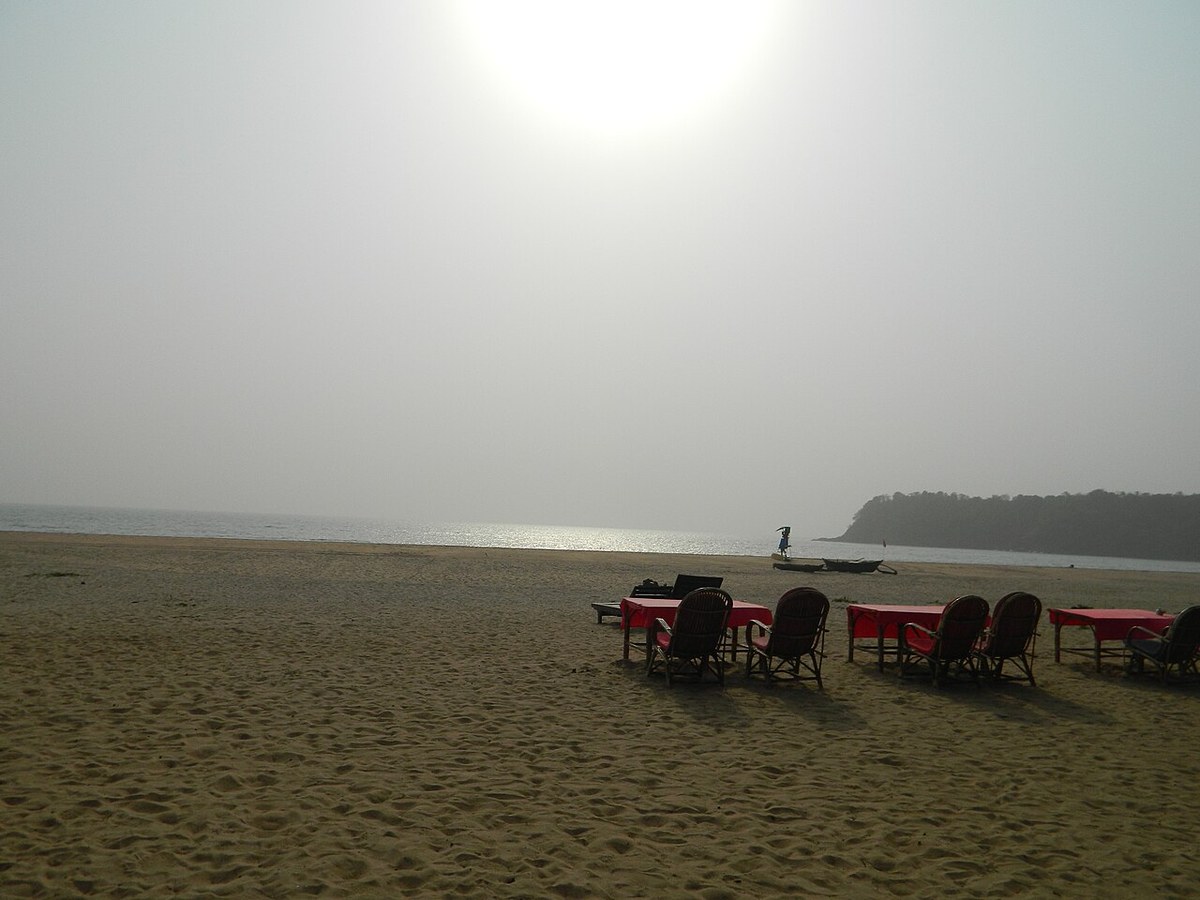
Palolem Beach — further south still in Canacona, one of South Goa's best-known beaches.
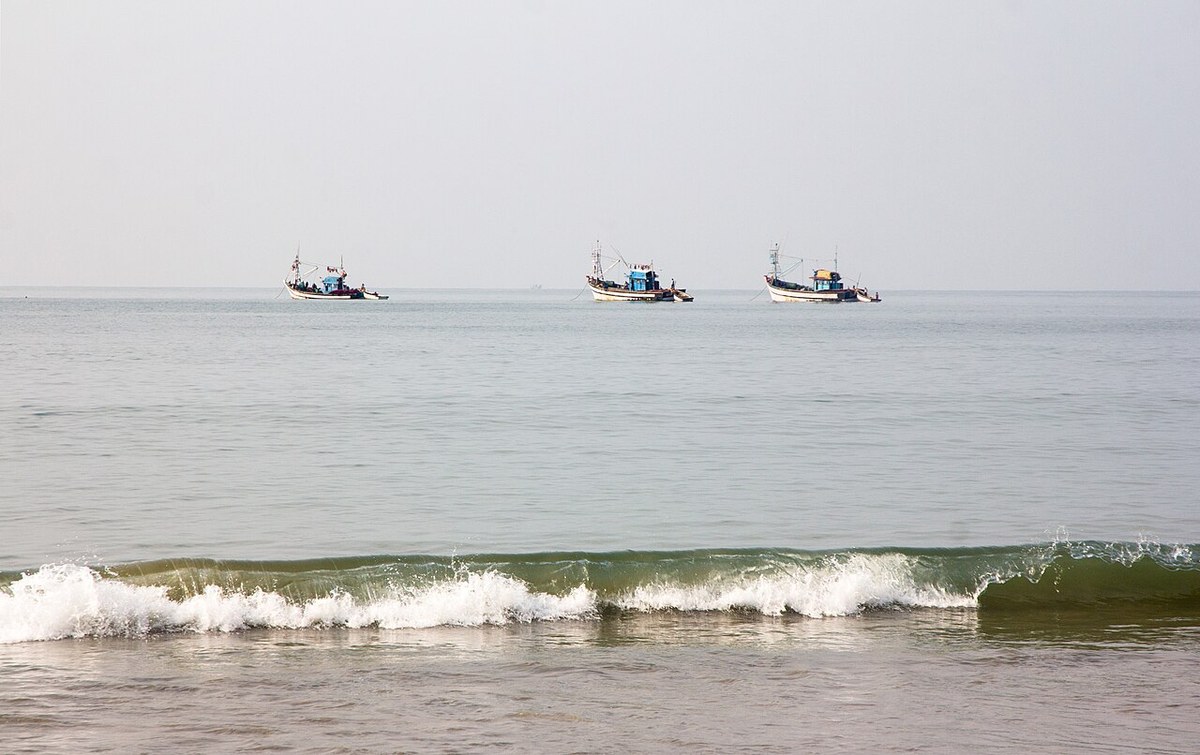
Galgibag Beach — one of the lesser-known and cleanest beaches in India, about 7km from Palolem and, like Morjim, a nesting ground for Olive Ridley turtles.
Also in Canacona taluka: Cabo de Rama Beach, Kakolem Beach, Dharvalem Beach, Cola Beach, Patnem Beach, Rajbag Beach, Talpona Beach and Polem Beach.
Text summarised from the Wikipedia article Tourism in Goa and the individual Wikipedia articles for the beaches, villages and towns named above (including Baga, Calangute, Anjuna, Vagator Beach, Candolim, Sinquerim, Arambol, Morjim, Mandrem, Querim, Miramar, Dona Paula, Colva, Benaulim, Cavelossim, Bogmalo, Agonda, Palolem Beach, Galgibaga Beach, Betul and Chapora Fort), all available under the CC BY-SA 4.0 licence.
Visiting
North and South Goa's beaches have quite different characters, so it's worth picking based on what you want: Baga, Calangute and Anjuna in the north are the liveliest, with the densest clusters of shacks, nightlife and water sports; further south, beaches like Colva, Benaulim, Agonda and Palolem tend to be longer, quieter and more spread out. The best months for beach weather are generally November to March, outside the monsoon. Sea conditions can change quickly, so pay attention to any lifeguard flags in place, and remember several beaches — including Morjim, Agonda and Galgibag — are protected turtle nesting sites with seasonal access restrictions.
Do You Know Something We're Missing?
This page will always be a work in progress. If you know a story, have an old photo, a link to a Facebook post, or a website that belongs here, we'd love to include it — with your name attached, if you'd like.
Add to This Page